Europass/European Digital Credentials
Credentials aligned with the European ecosystem of learning, mobility, and academic recognition.
We use our own cookies and third parties ones to offer our services and collect statistical data. If you continue browsing the internet you accept them. More information about the Cookies Policy

Secure, verifiable micro-credentials
OPEN BADGES · BLOCKCERTS · EUROPASS · WALLET · QR
Request a Demo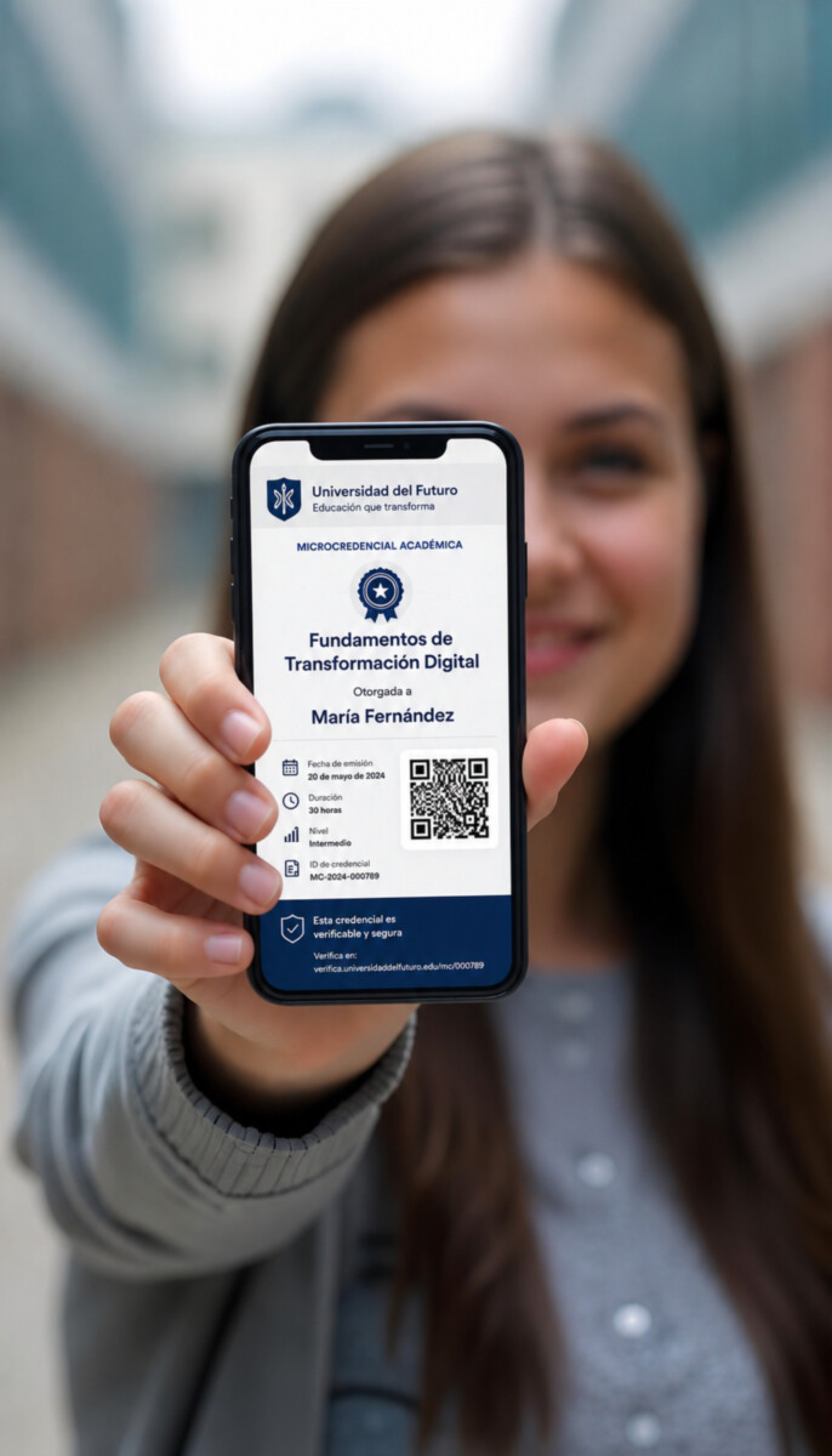
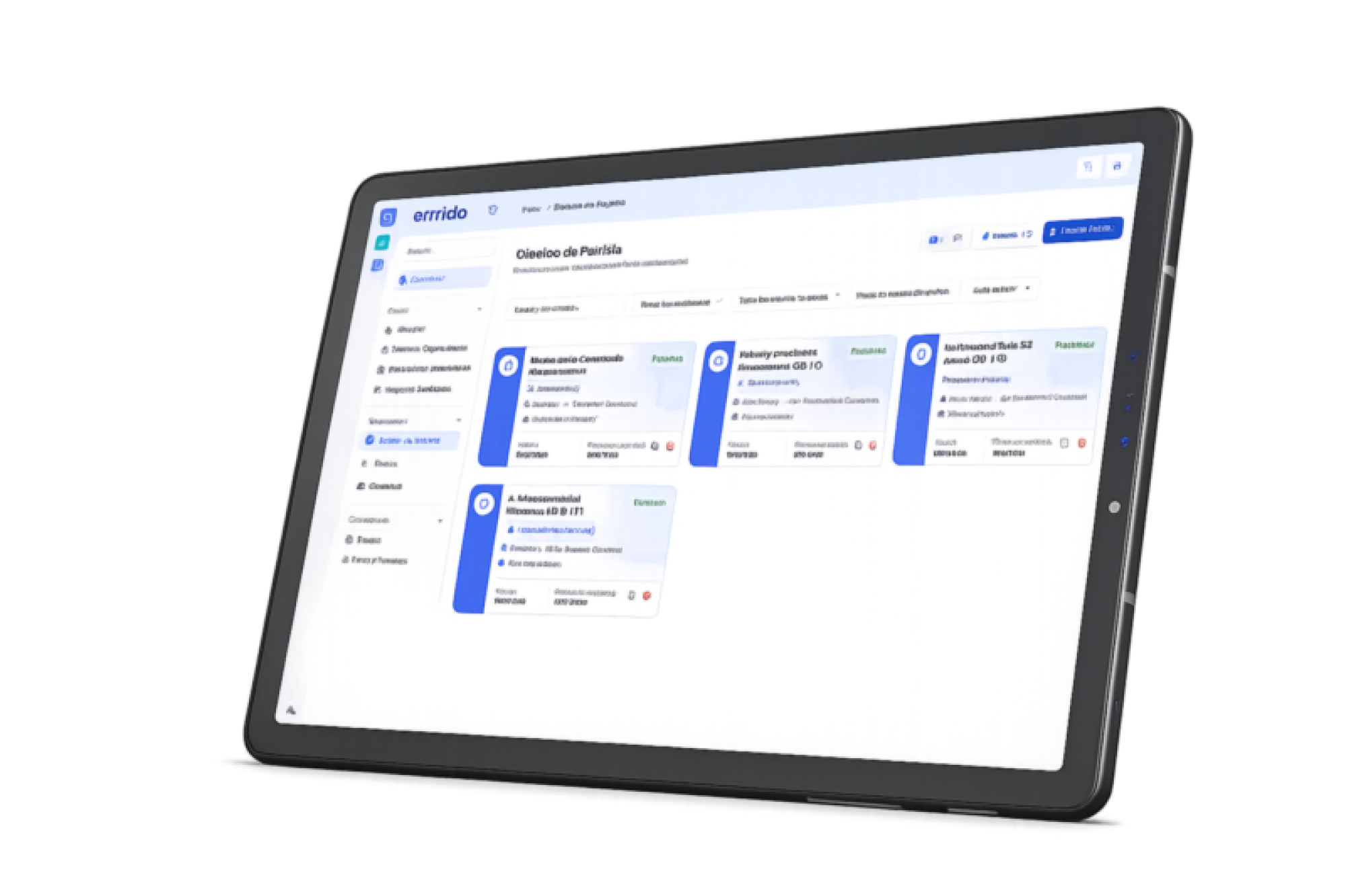
It handles everything from the credential design to its verification by third parties.

Credentials aligned with the European ecosystem of learning, mobility, and academic recognition.
Digital recognition of competencies, skills, and achievements using an open standard.
Blockchain-verifiable credentials, prepared for robust technical validation.
Micro-credentials: Verifiable · Fraud-proof · Legally robust · eIDAS-aligned · Audit-ready


eTítulo adapts to each institution's volume, digital maturity, and credentialing strategy. You can start with an initial project and scale up as the adoption of micro-credentials evolves.
A microcredential is a certification that recognises the learning outcomes acquired by an individual after completing a specific course, training programme or learning experience.
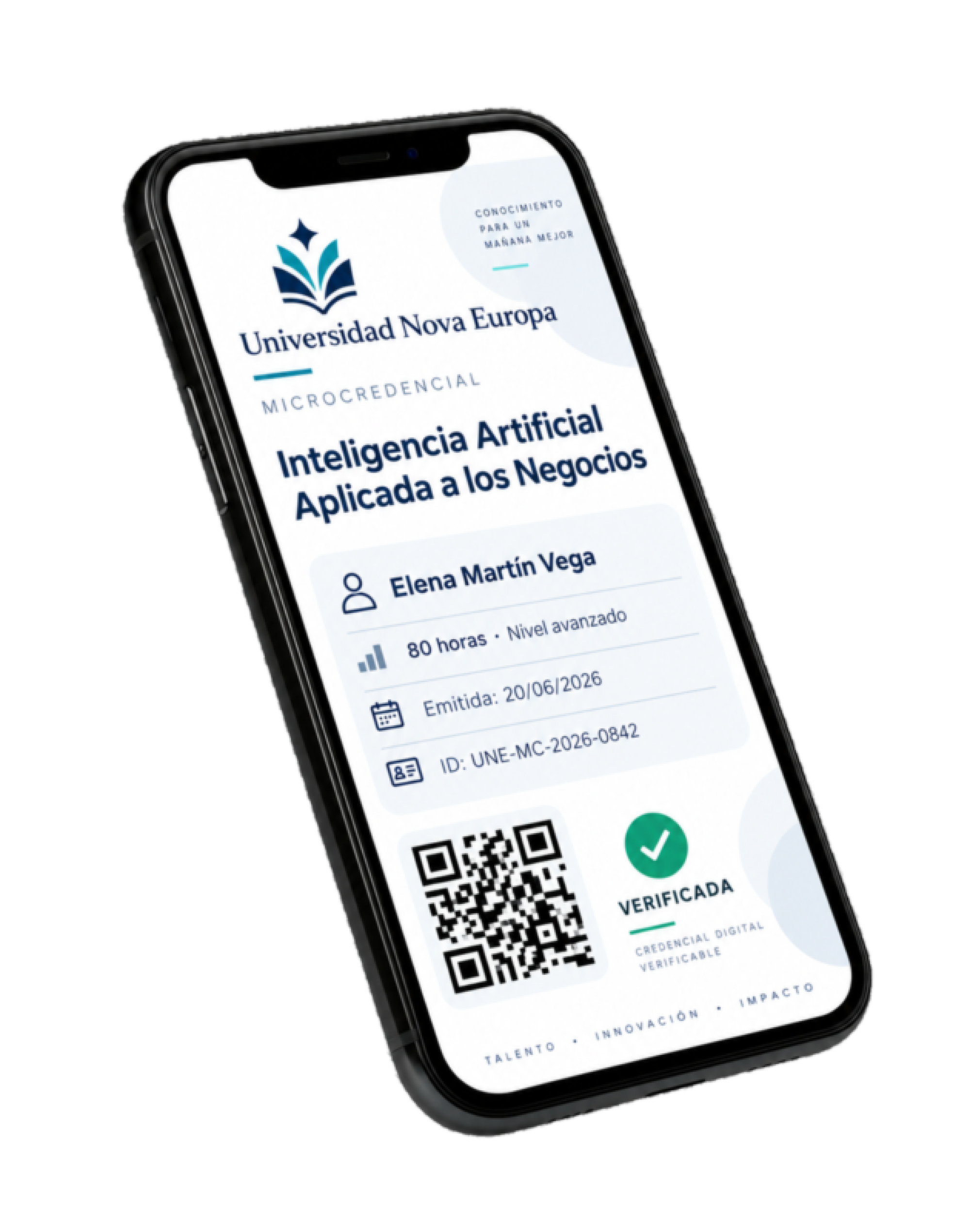
In digital format, it can include information about the learning undertaken, the issuing institution, the credential holder, the learning outcomes and other data associated with the credential, making it easier to access, store and verify.
Yes. The eTítulo platform supports the issuance of digital microcredentials both individually and in bulk, making it easier to generate credentials for groups of students or participants.
This enables universities and educational institutions to manage anything from small-scale training activities to programmes involving large numbers of credentials, reducing manual tasks and simplifying the issuance process.
Yes. One of the main advantages of digital microcredentials is that they can be verified by third parties, such as employers, universities, public authorities or other organisations.
Verification makes it possible to check the information associated with the credential and confirm details such as who issued it, who it belongs to and which learning or competences it certifies, helping to identify potential alterations or invalid credentials.
There are various standards and technology frameworks for structuring and sharing digital credentials, such as Open Badges and W3C Verifiable Credentials, as well as European initiatives designed to promote the interoperability of digital educational credentials.
These standards make it possible to include structured information about the issuer, the holder and the achievements or learning outcomes certified, together with mechanisms that help verify the credential’s authenticity and integrity.
The choice of standard will depend on the project, the institution’s requirements and the environments in which the microcredential is intended to be used or shared.
The content may vary depending on the educational programme, the institution and the applicable framework. A microcredential will typically include:
The platform makes it possible to structure this information so that the microcredential is easy to identify, verify and share.
No. An institution can begin with a specific project, an educational programme or a small number of microcredentials and expand its scope at a later stage.
This approach allows a digital credential model to be implemented progressively, its performance to be assessed and then extended to other qualifications, continuing education programmes, specialist courses or other academic activities.
Yes. The platform allows the appearance of microcredentials to be customised to reflect the visual identity of each university or educational institution.
The institution can define its own graphic and identification elements to maintain brand consistency and distinguish between the different credentials, programmes or areas of study it offers.
In this way, the technology and verification mechanisms are combined with a recognisable visual presentation for students, employers and other recipients.
They are not exactly the same. A microcredential certifies the learning outcomes achieved through a specific learning experience and contains information identifying what has been learned, who certifies it and under what conditions.
A digital badge is a digital and visual representation of an achievement, competence or recognition. It can be used to represent a microcredential, but it can also recognise other achievements that do not necessarily constitute an academic microcredential.
A microcredential therefore focuses on certifying learning, whereas a digital badge primarily provides a structured and easily shareable way of representing and communicating an achievement.
Once issued, the student receives their microcredential in digital format and can easily access and share it with third parties, such as employers, universities or other institutions.
The credential retains the information required to identify the holder, the issuing institution and the learning or competences certified, enabling the recipient to verify its authenticity.
This allows students to incorporate their microcredentials into their academic and professional record and use them as evidence of their knowledge and competences.
Yes. The platform can be integrated with the institution’s academic management systems and other technology environments, enabling the exchange of information and the processes associated with generating and issuing microcredentials to be automated.
Integration avoids duplication of tasks, reduces manual data entry and enables digital credential management to become part of the university’s standard processes.
The integration model can be adapted to the characteristics, needs and technology systems of each institution.
Yes. The platform supports the management of the lifecycle of digital microcredentials after they have been issued.
Where necessary, the institution can manage situations such as correcting or reissuing a credential and, where appropriate, revoking it. This enables the institution to retain control over the credentials it issues and their status.
When a third party verifies a credential, they can check both its information and its status, rather than relying solely on a static copy of the document.
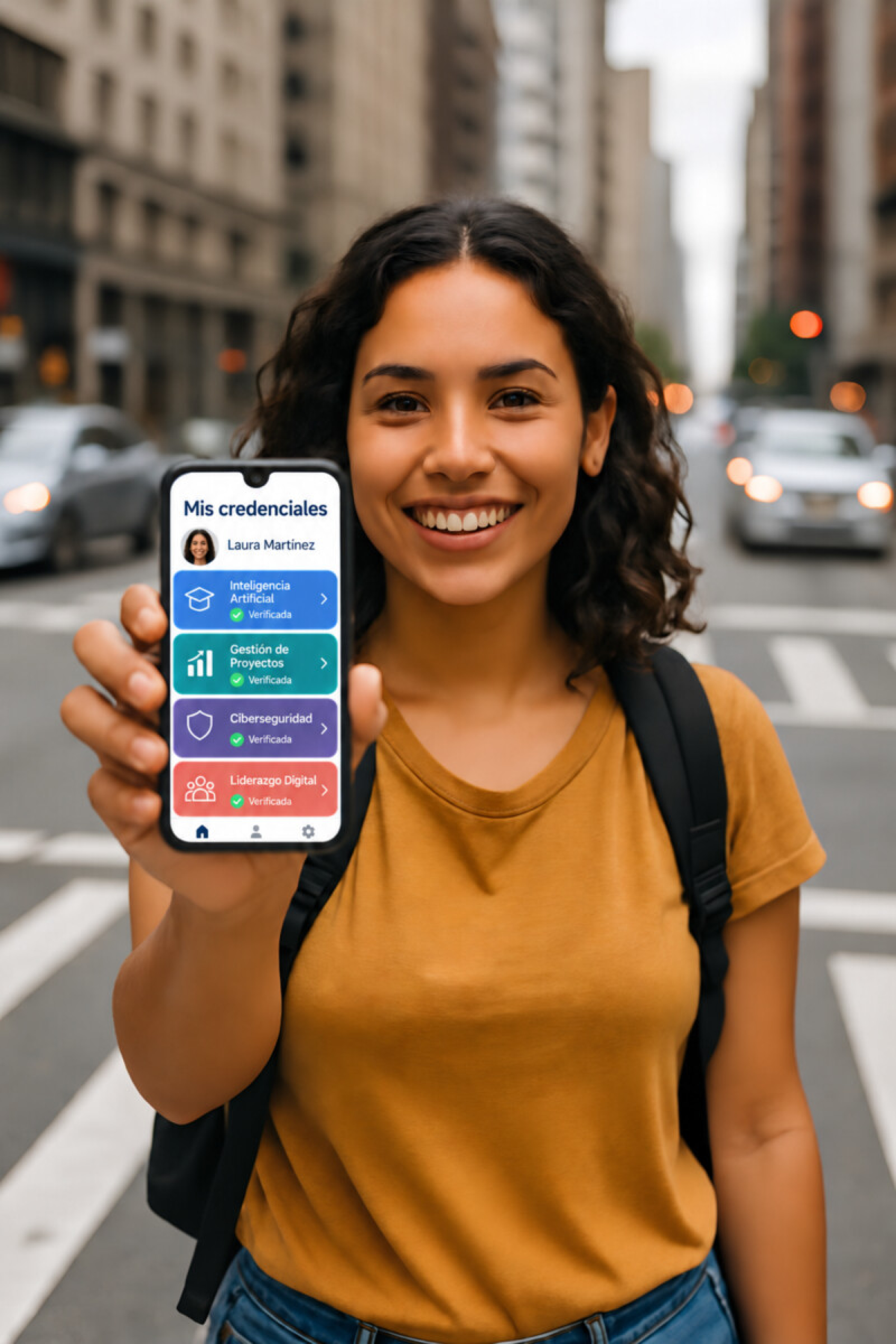
Yes. Digital microcredentials can be prepared for use in compatible digital credential environments and wallets, depending on the standards and technologies used in each project.
A wallet enables students to bring together and manage their digital credentials and use them to demonstrate specific learning, competences or qualifications to universities, employers and other organisations.
This model enables credential holders to manage and share their own credentials whenever they need them.
Digital microcredentials incorporate mechanisms that make it possible to verify their origin, integrity and status, enabling a third party to confirm that the credential comes from the issuing institution and that the information presented has not been altered.
Depending on the model and technology used, the platform can employ electronic signatures, digital evidence and traceability technologies to strengthen the security and verifiability of credentials.
This means that an employer, university or other organisation can verify the digital microcredential and its associated information without having to ask the student directly for additional documentation to prove its authenticity.